Quick Answer
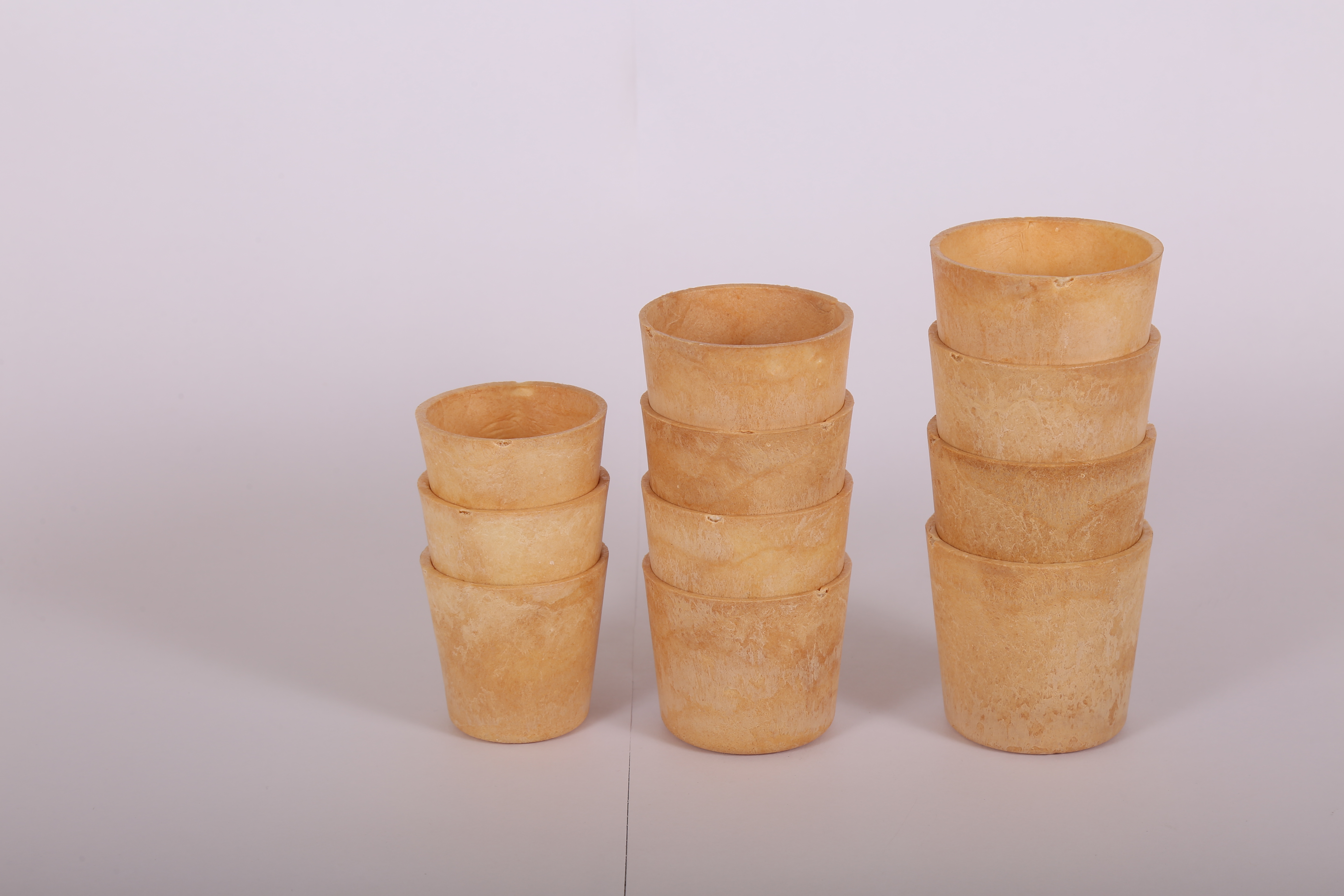
Edible cups offer unique advantages over conventional paper and plastic alternatives. Here's a comprehensive comparison:
Detailed Explanation
Edible cups offer unique advantages over conventional paper and plastic alternatives. Here's a comprehensive comparison:
Environmental Impact: • Plastic cups: Take 400+ years to decompose, create microplastics • Paper cups: Often have plastic linings, decompose in 2-5 years • Edible cups: Biodegrade in 120 days or get eaten—zero waste
Safety: • Plastic cups: May contain BPA and other chemicals • Paper cups: Generally safe but lining materials vary • Edible cups: 100% food-grade, completely safe to consume
Functionality: • Plastic cups: Durable but environmentally harmful • Paper cups: Work well but can become soggy • Edible cups: Hold beverages adequately with unique eating option
Waste Management: • Plastic cups: Require recycling infrastructure (often fail to get recycled) • Paper cups: Technically recyclable but often contaminated • Edible cups: No disposal needed if eaten; fully compostable otherwise
Customer Experience: • Plastic/Paper cups: Standard, expected • Edible cups: Memorable, unique, shareable on social media
Cost: • Plastic: Lowest unit cost but hidden environmental costs • Paper: Moderate cost • Edible cups: Premium positioning with sustainability and experience value
Related Question
You might also want to know: Who Can Use Edible Cups?