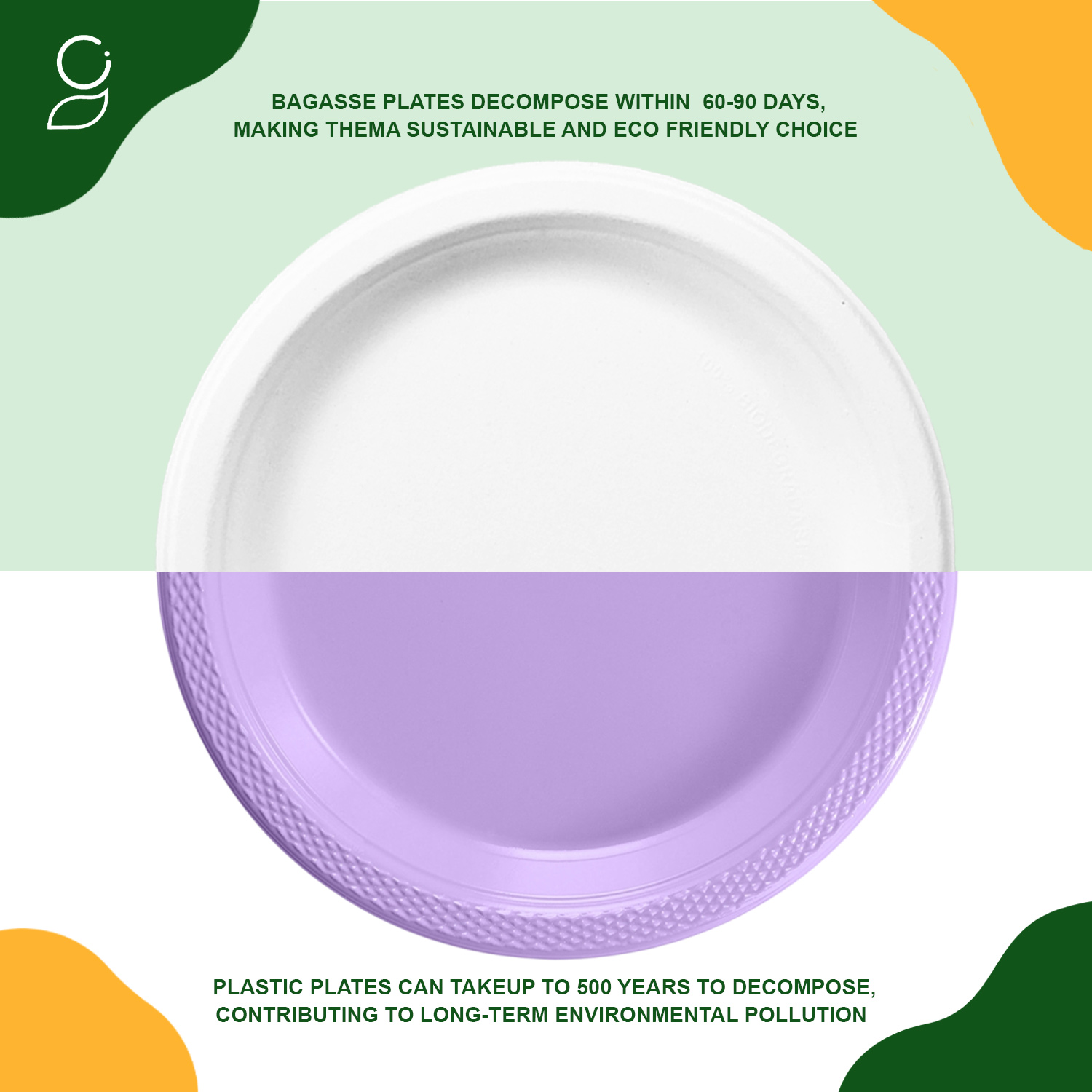
The Science of Sugarcane Pulp Tableware
Sugarcane pulp tableware derives its remarkable properties from the natural composition of bagasse fibre. Bagasse is composed of approximately 45% cellulose, 25% hemicellulose, and 20% lignin, with the remainder being extractives and ash. Cellulose provides structural strength and rigidity, hemicellulose acts as a binding agent between fibres, and lignin contributes natural water resistance and thermal stability. When this fibre is processed through wet pulping, refined, and thermoformed under high temperature and pressure, the resulting material exhibits properties that rival synthetic plastics in terms of strength, heat tolerance, and moisture resistance.
The thermoforming process is central to achieving the performance characteristics of sugarcane pulp tableware. Wet bagasse pulp is deposited into precision-engineered moulds and compressed at temperatures exceeding 150 degrees Celsius. This combination of heat and pressure causes the lignin in the fibre to soften and flow, binding the cellulose fibres into a dense, rigid matrix. The result is a material that can withstand temperatures from minus 20 degrees Celsius to 120 degrees Celsius without deformation, making IntuGreen sugarcane pulp tableware suitable for freezer storage, microwave reheating, and serving hot foods directly from the oven.
One of the most impressive properties of properly manufactured sugarcane pulp tableware is its natural oil and water resistance. Unlike paper products that require plastic or wax coatings to prevent soaking, thermoformed bagasse achieves grease resistance through the densification of its surface during moulding. The compressed surface layer creates a barrier that prevents oils and aqueous liquids from penetrating the material for extended periods, typically several hours. This means a bagasse plate can hold a serving of oily curry or a salad with vinaigrette dressing without weakening or leaking.
IntuGreen invests continuously in refining its pulping and moulding processes to optimise the balance between material thickness, weight, strength, and cost. Thinner products use less raw material and reduce shipping costs, while thicker products provide greater rigidity for heavy food items. By controlling pulp consistency, mould design, pressing time, and drying conditions, IntuGreen produces a range of sugarcane pulp tableware products that meet specific performance requirements for different food service applications. Every product undergoes laboratory testing for burst strength, oil penetration time, and thermal stability before being approved for production.
Key Benefits
Learn more about what bagasse tableware is or see how our products are manufactured in India. Explore our biodegradable plates, bowls and cups.
 What is Bagasse Tableware?
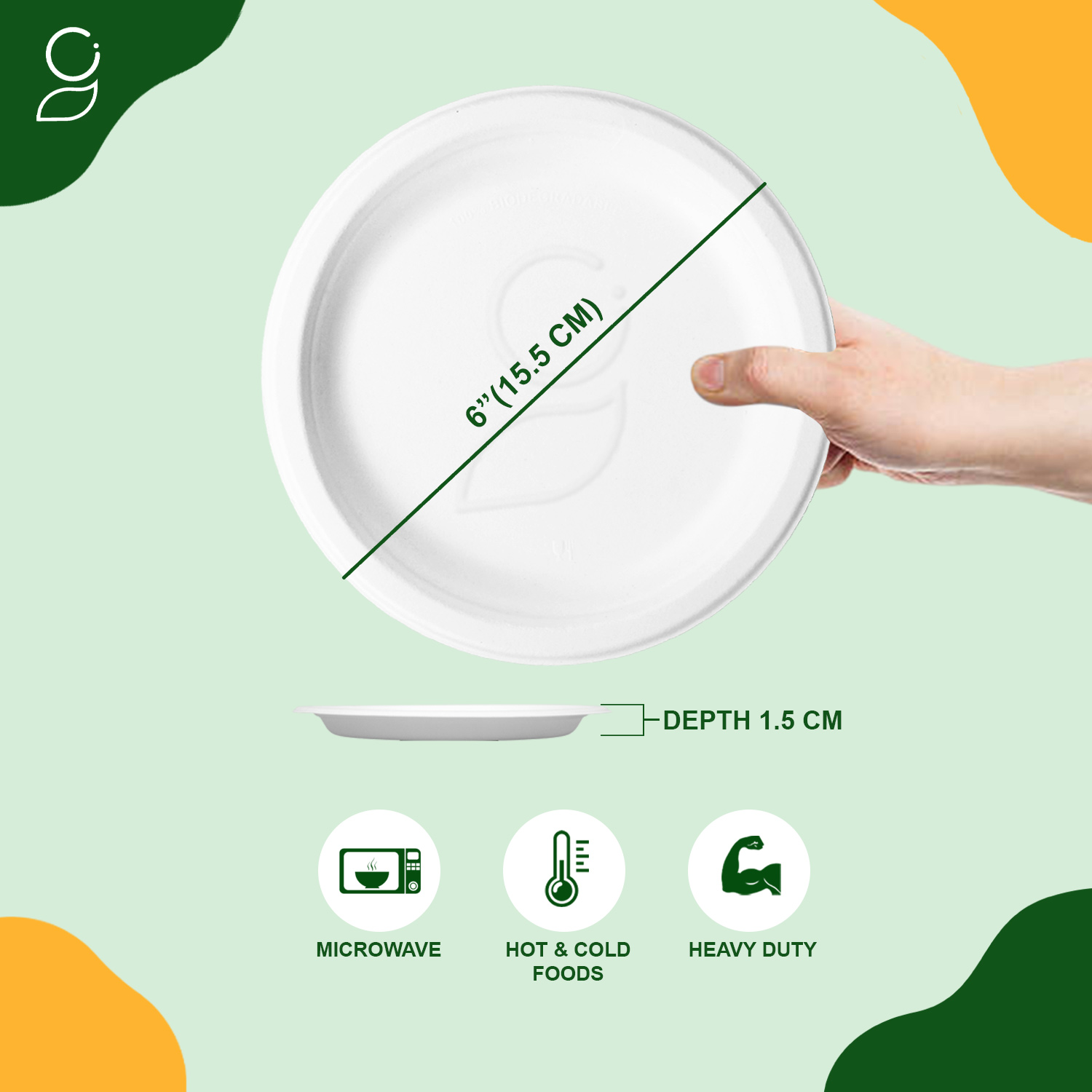 Biodegradable Bagasse Plates
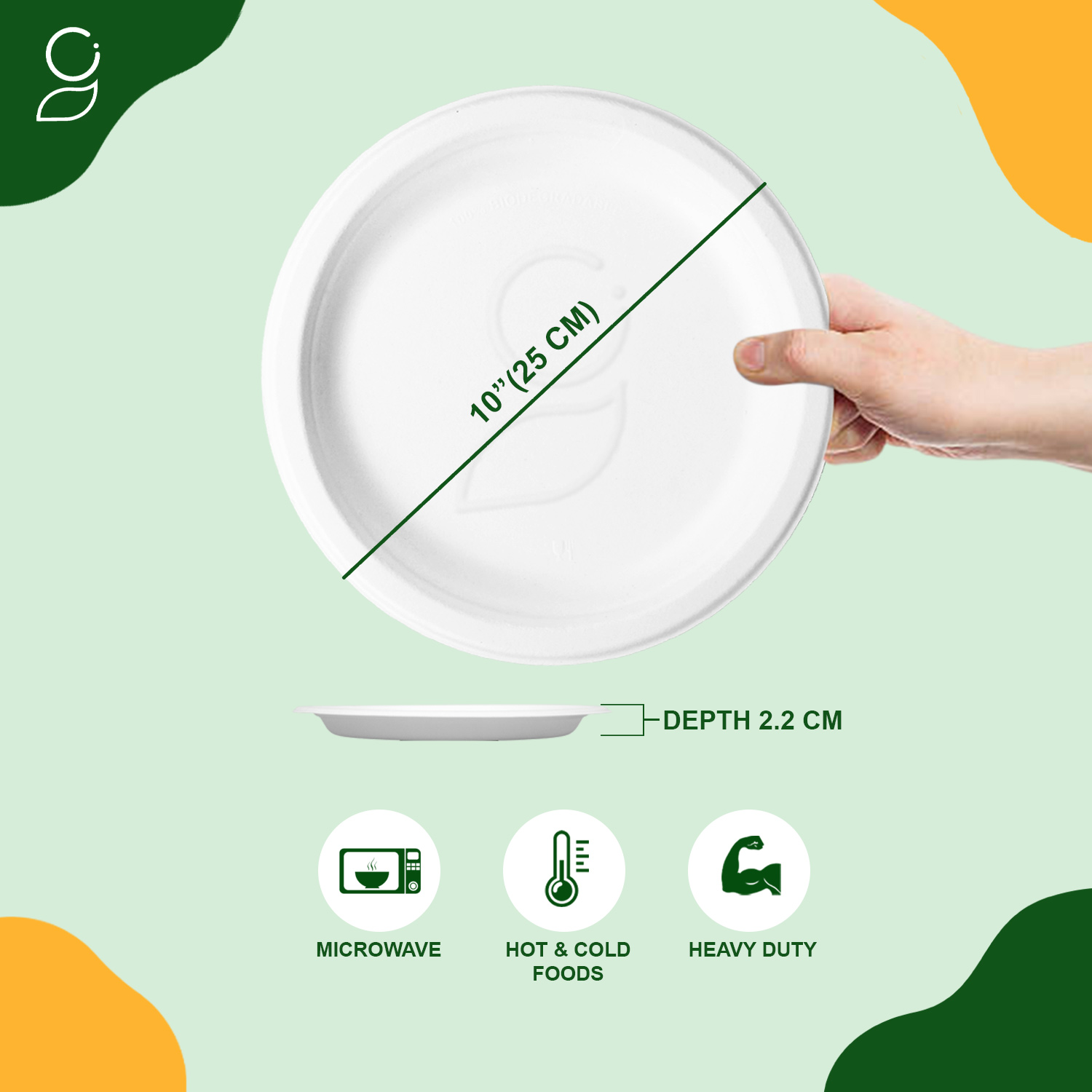 Bagasse Tableware Manufacturers India
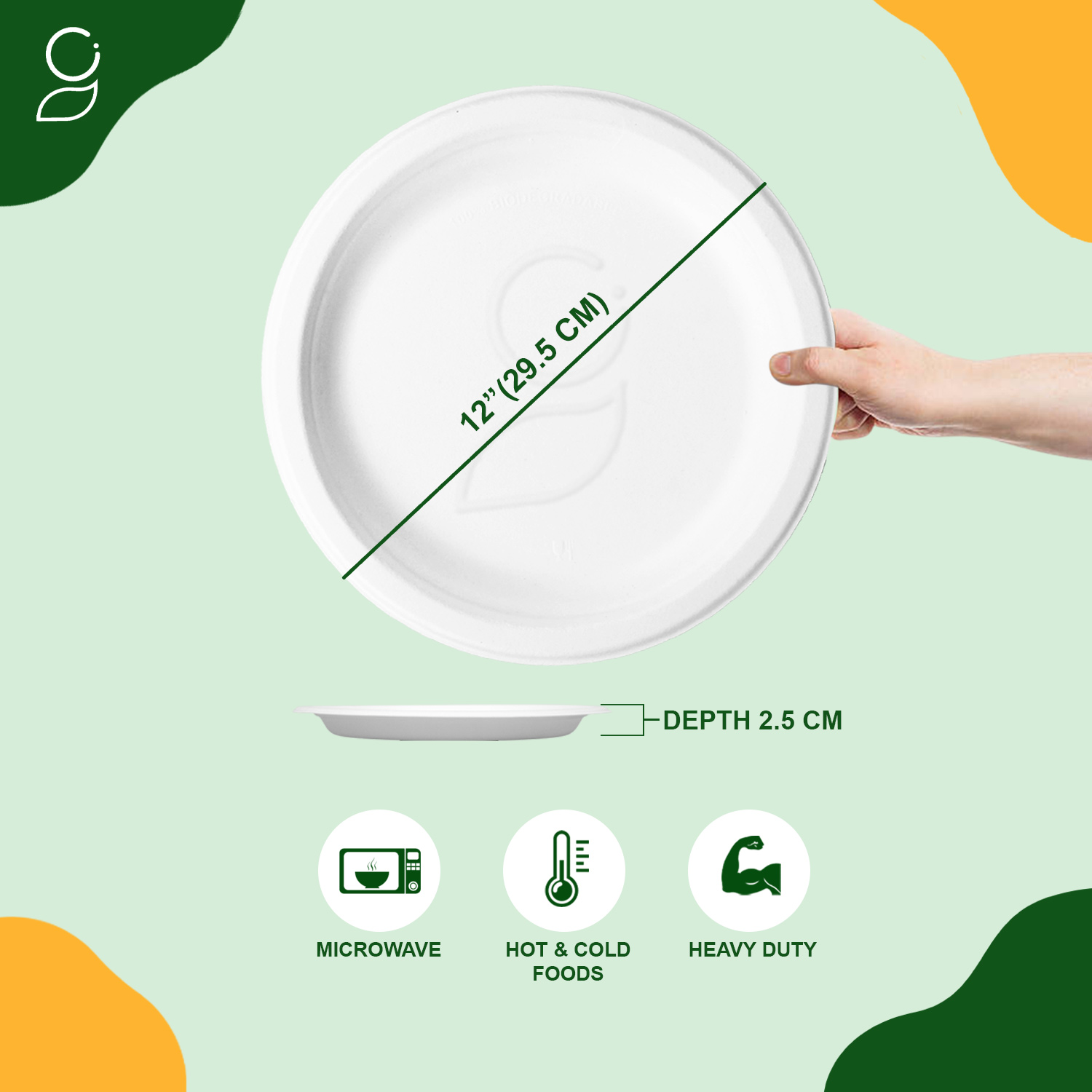 Can Bagasse Tableware Hold Hot Food?
 Bagasse Tableware Products