Quick Answer
Bagasse is far better for the environment than plastic. It is made from renewable sugarcane waste, composts within 90 days, and leaves zero toxic residues—while plastic takes centuries to degrade and pollutes ecosystems with microplastics.
Detailed Explanation
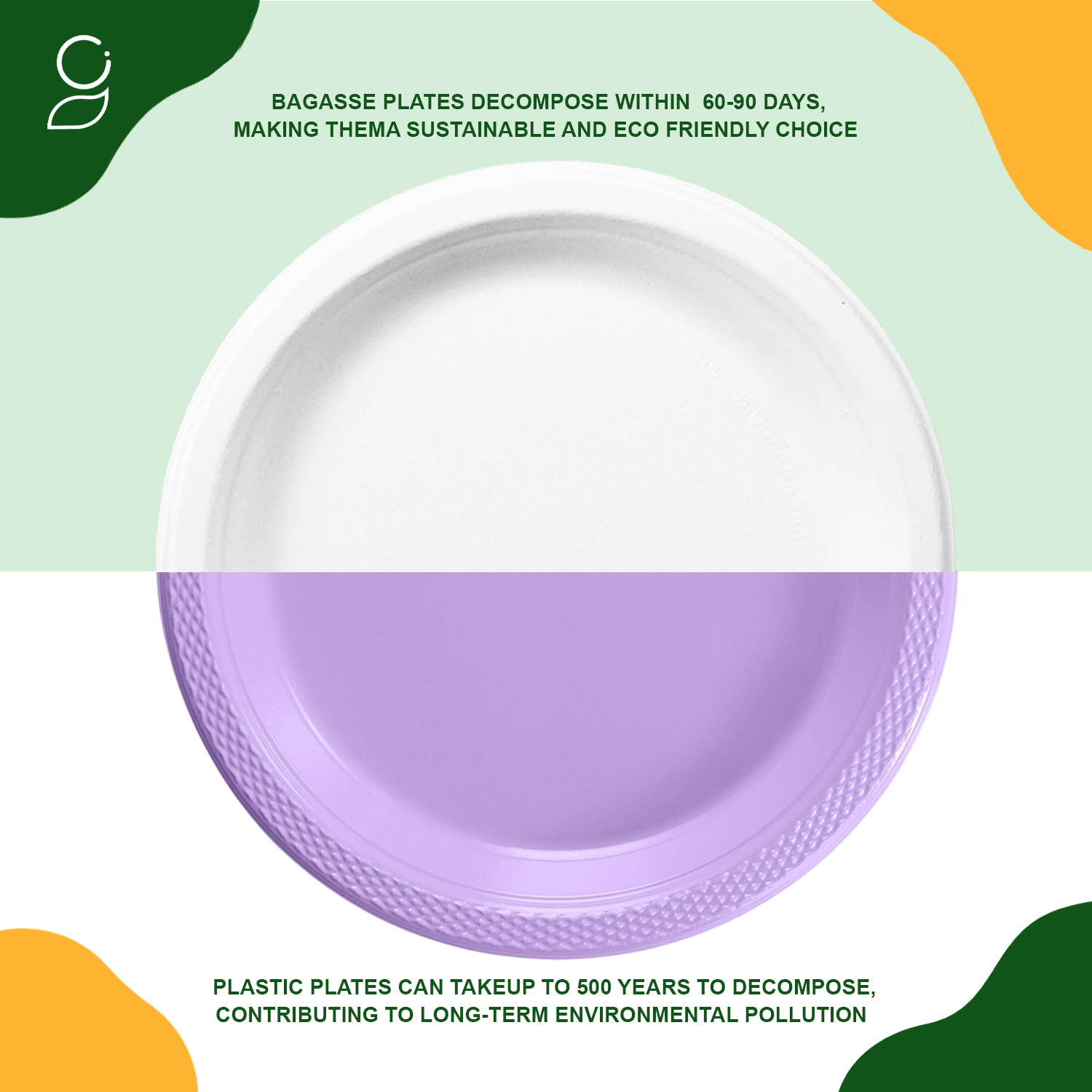
The environmental comparison between bagasse and plastic is stark. Plastic disposables are derived from petroleum, a finite fossil fuel whose extraction and refining produce significant greenhouse gas emissions. Once used, plastic persists in the environment for 200 to 500 years, breaking into ever-smaller microplastic particles that contaminate soil, rivers, oceans, and even the food chain.
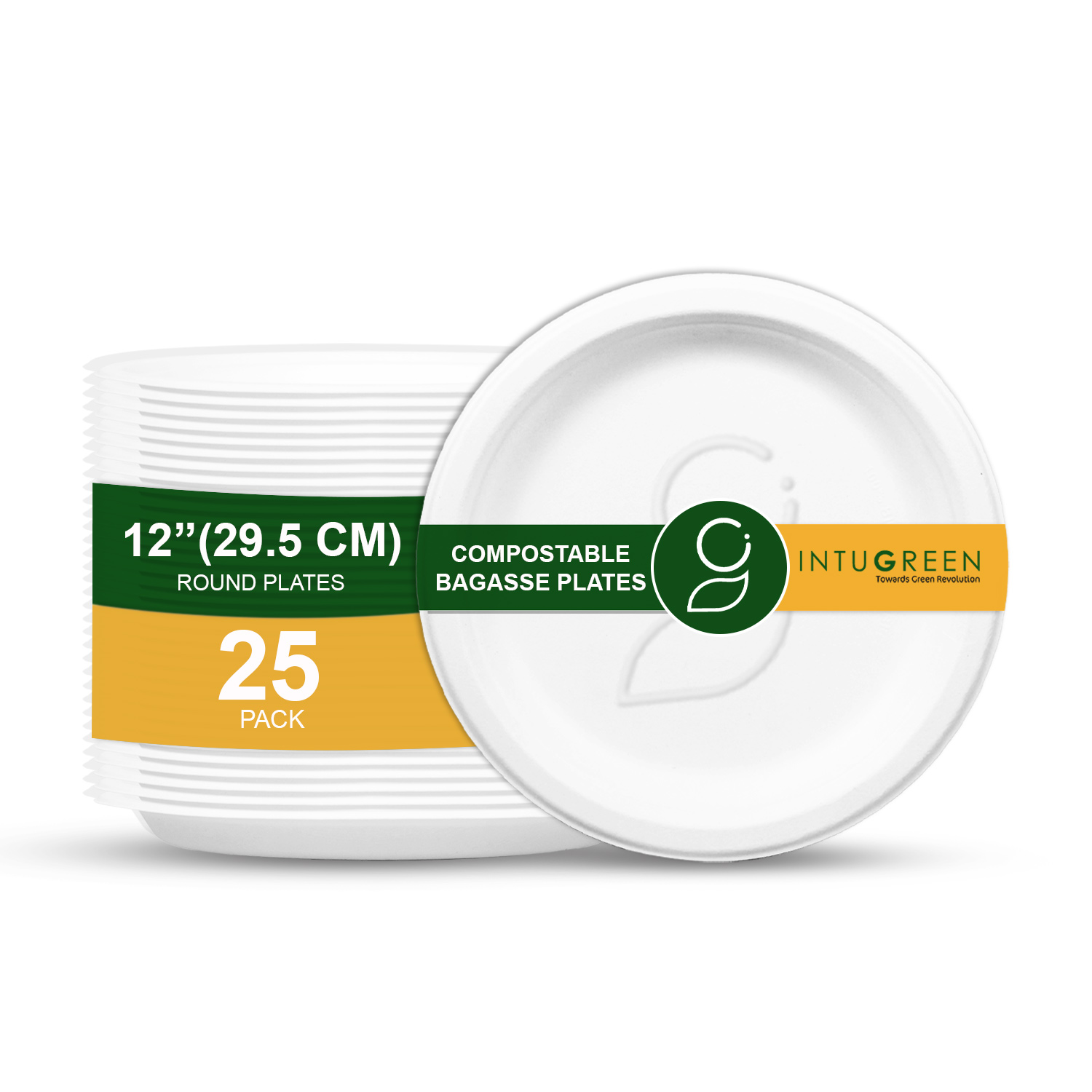
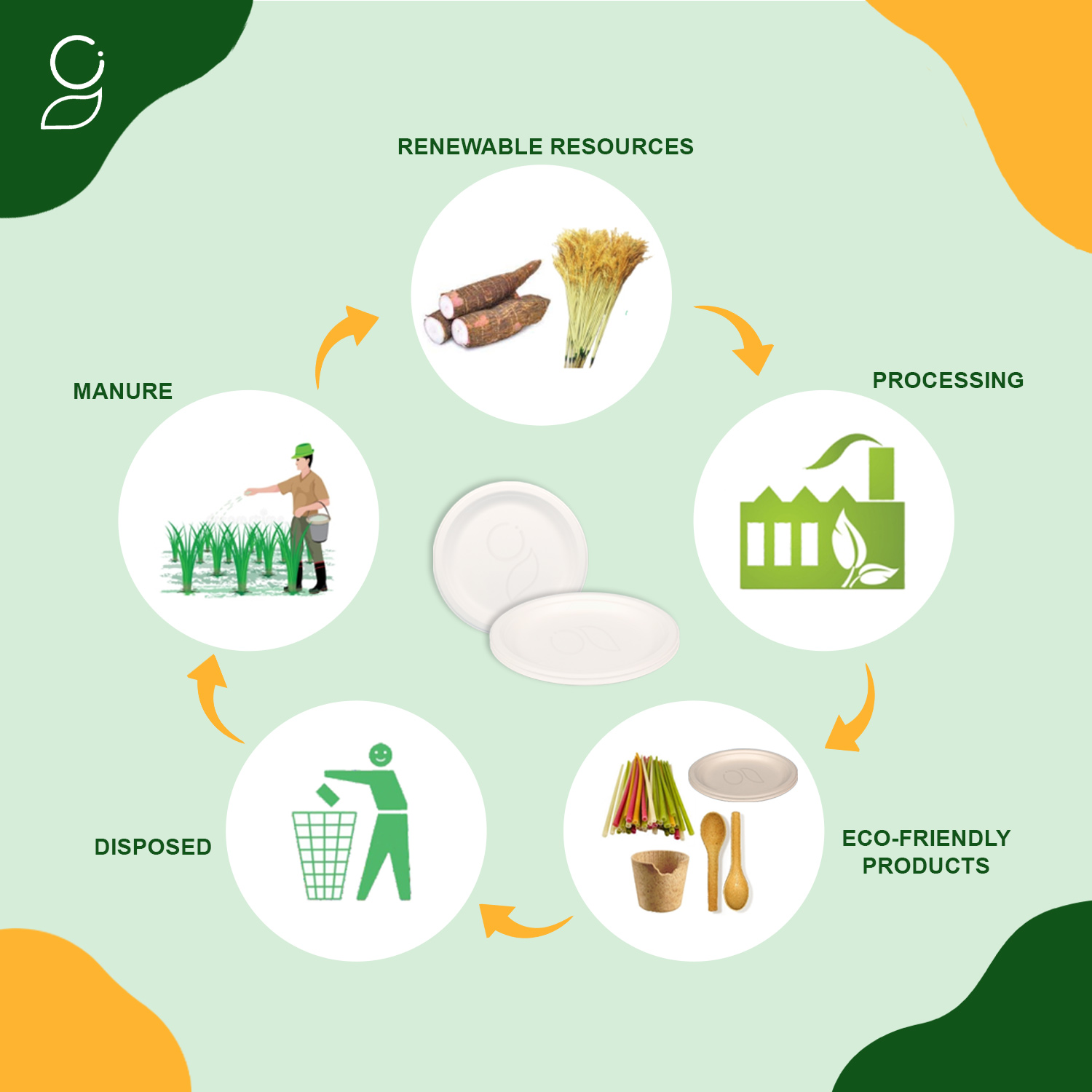
Bagasse, on the other hand, is made from sugarcane fibre—an agricultural byproduct that would otherwise be burned or landfilled. By converting this waste into tableware, IntuGreen eliminates waste at the source while creating a useful product. The carbon footprint of bagasse production is substantially lower than plastic manufacturing because the raw material is already available as a byproduct of the sugar industry.
After use, bagasse tableware composts within 90 days under standard conditions, returning nutrients to the soil. It does not release harmful chemicals during decomposition and does not create microplastics. In contrast, even "biodegradable" plastics often require industrial composting facilities and may take much longer to break down.
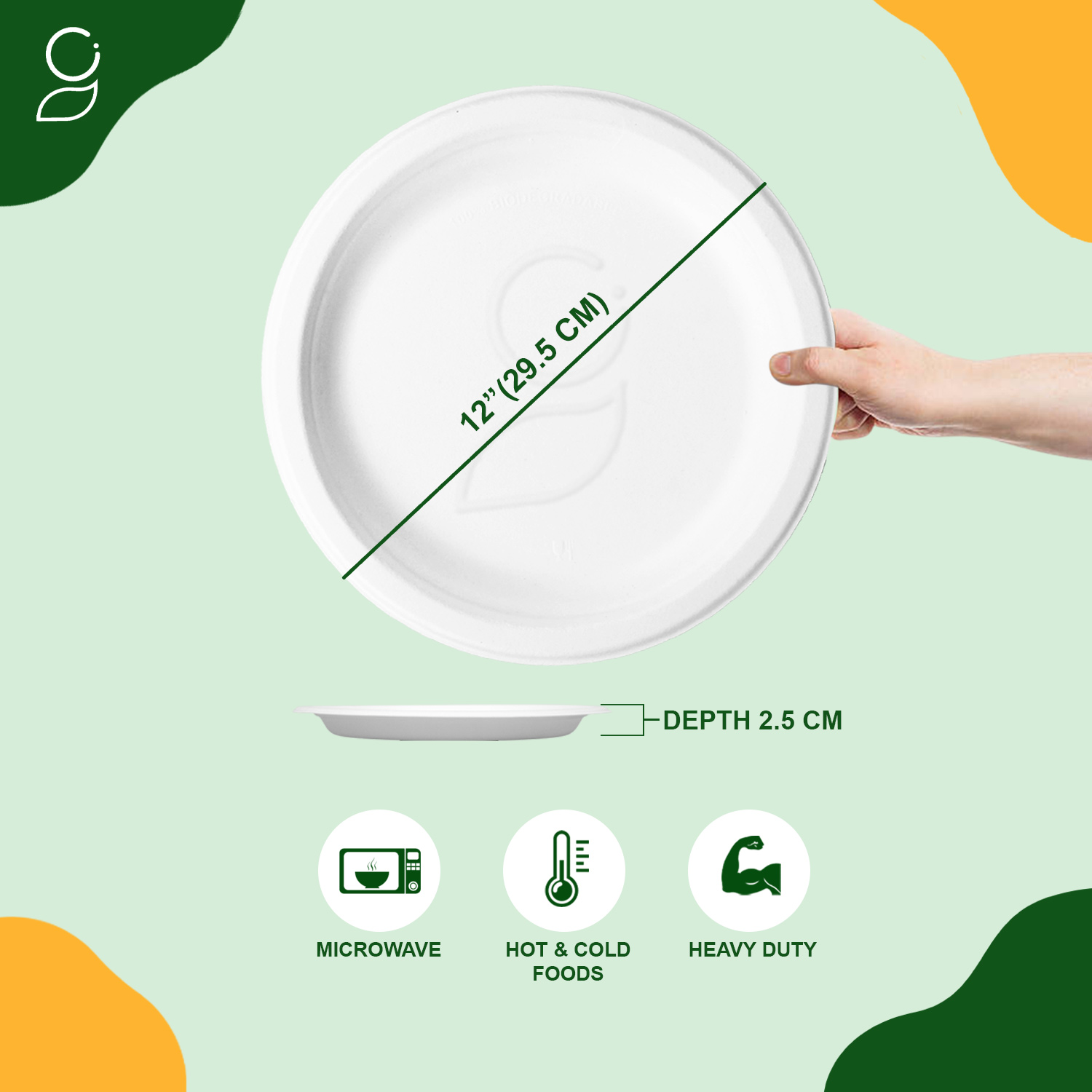
From a performance perspective, IntuGreen bagasse tableware matches or exceeds plastic in key areas: it is oil and water resistant, microwave safe up to 120°C, freezer safe, and sturdy enough for heavy meals. The only functional advantage plastic has is longer shelf life in wet conditions, but for single-use food service, bagasse is the clear winner for both the environment and food safety.
Related Question
You might also want to know: How Long Does Bagasse Take to Decompose?
 How Long Does Bagasse Take to Decompose?
 Is Bagasse Tableware Oil Resistant?
 Can Bagasse Tableware Hold Hot Food?
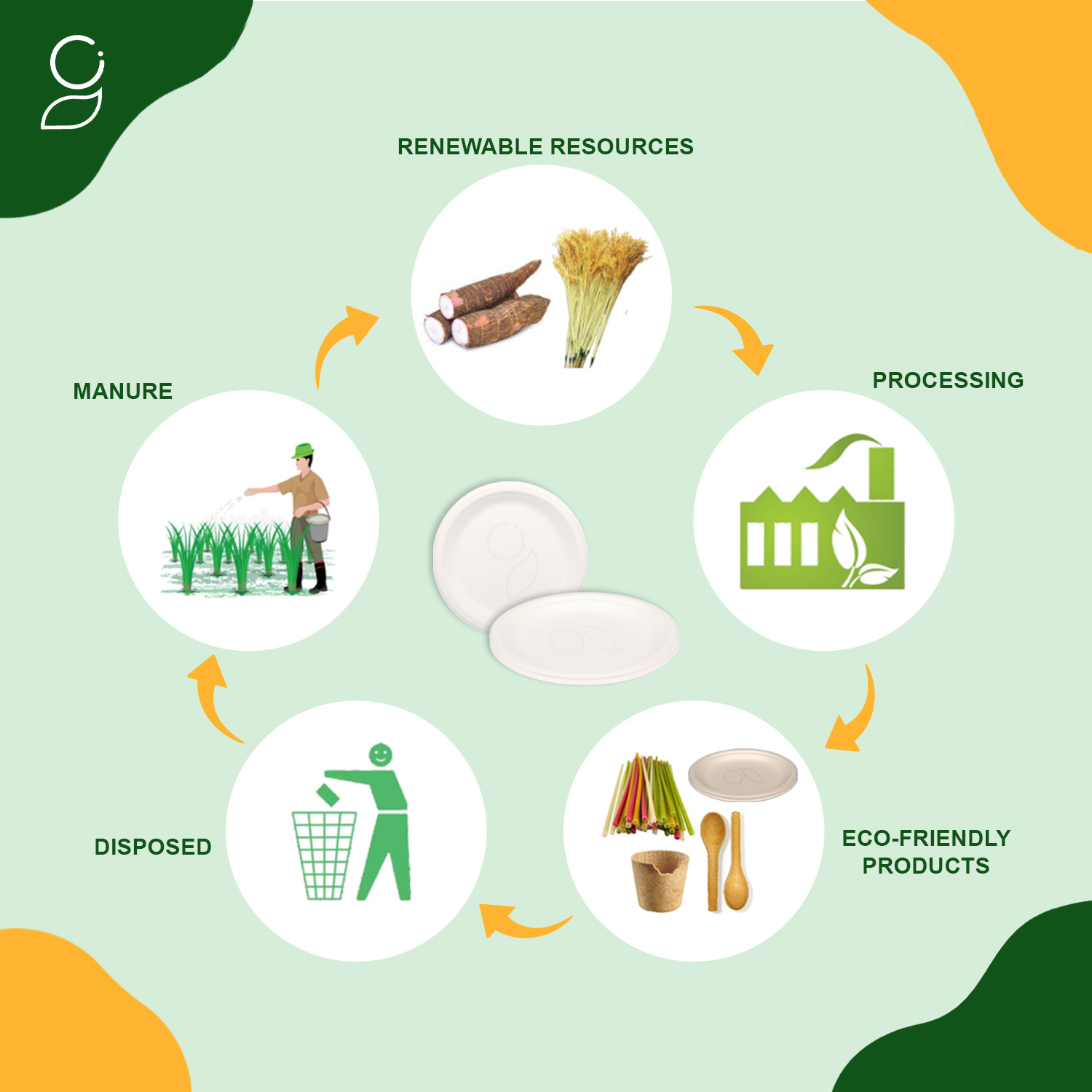 Bagasse vs Plastic Tableware
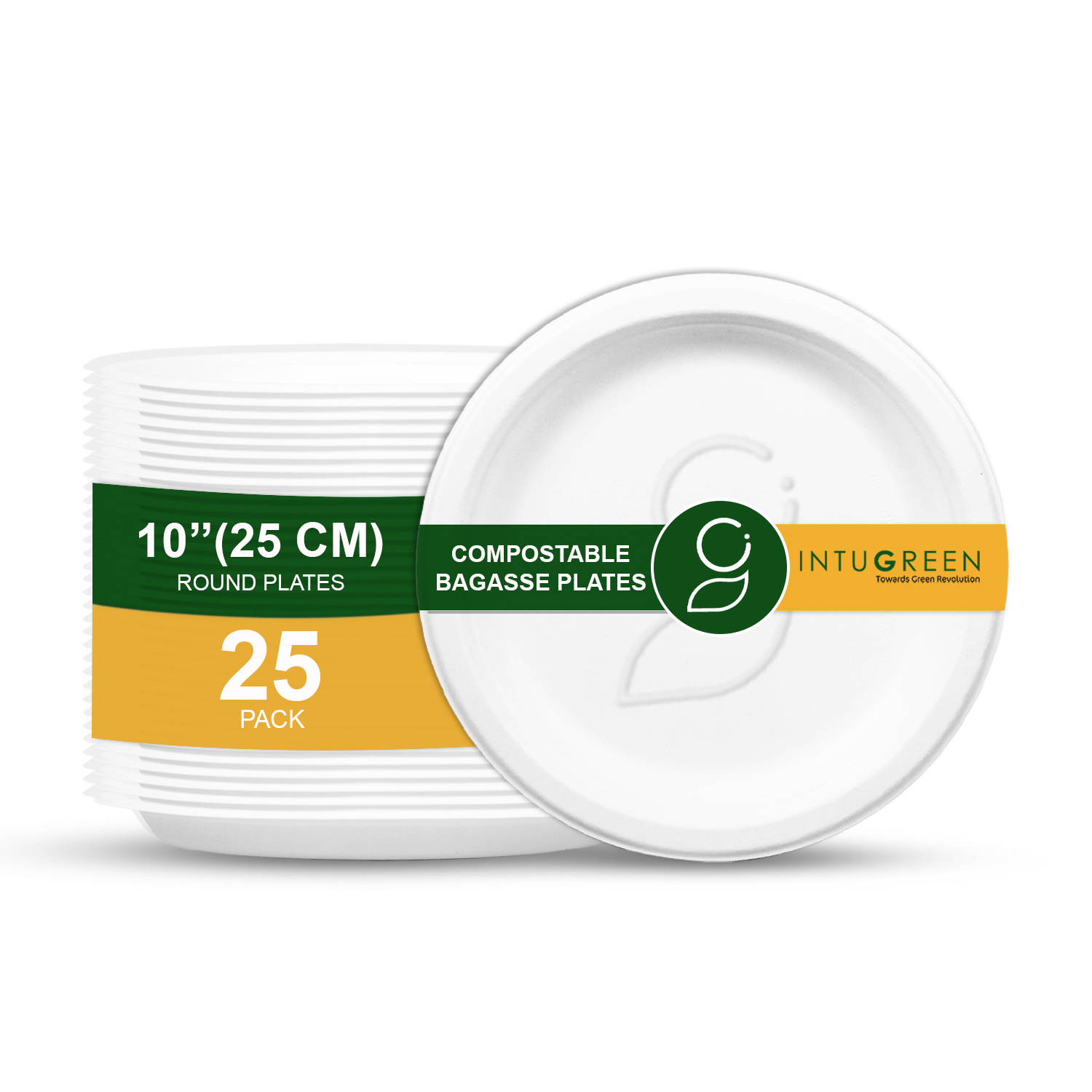 Eco-Friendly Disposable Tableware
 Bagasse Tableware Products